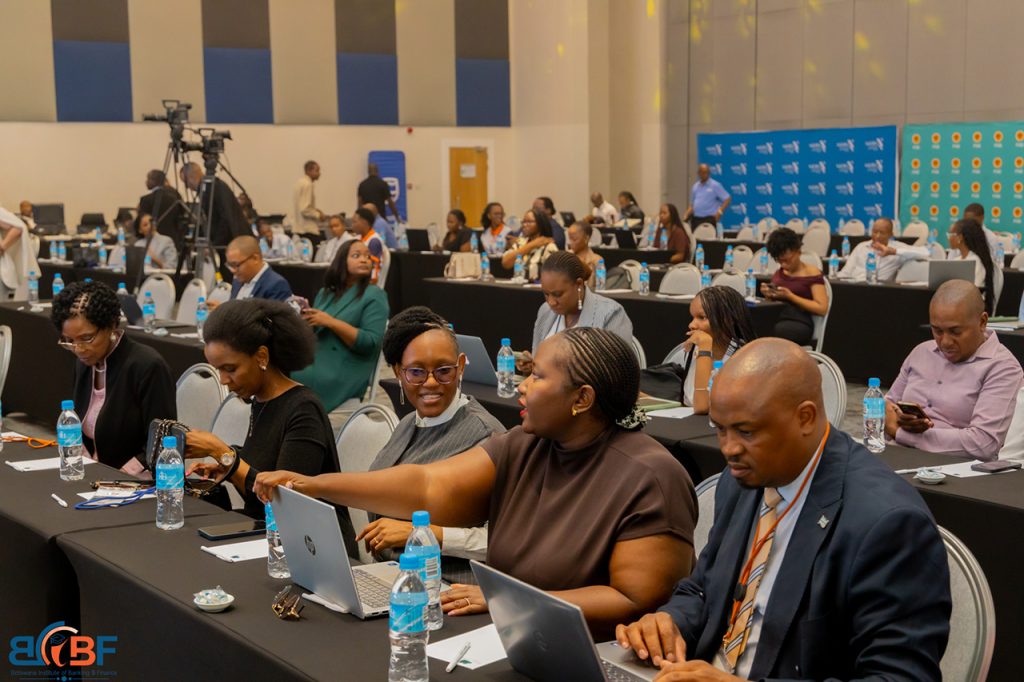
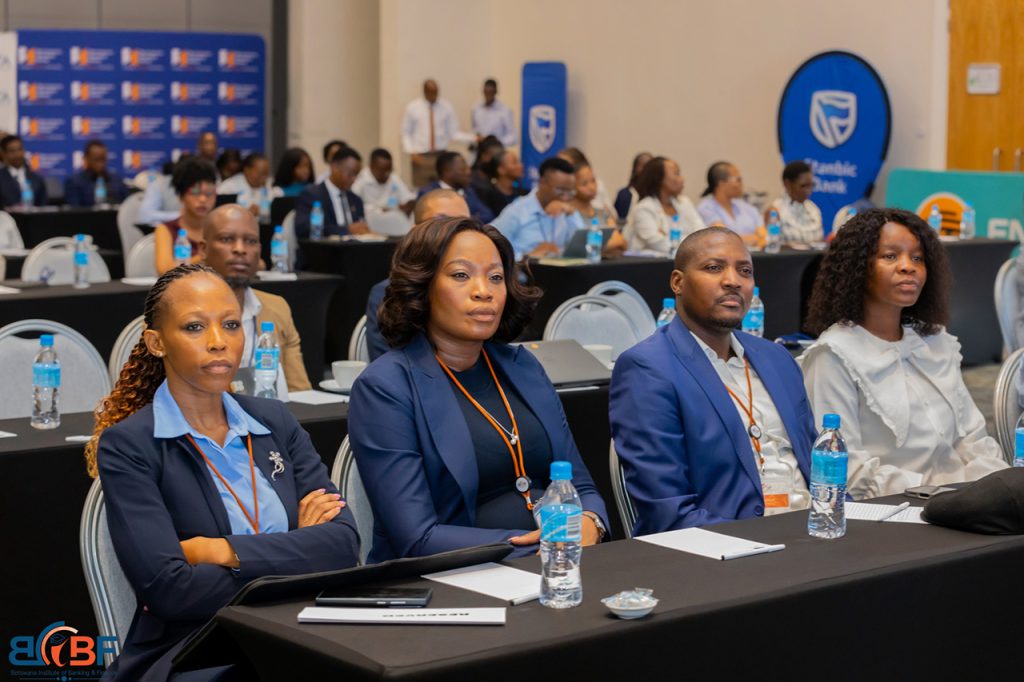
The Botswana Institute of Banking and Finance (BIBF) hosted its 2026 Compliance and Governance Conference, bringing together industry leaders, regulators, financial professionals, sponsors and students to strengthen trust, enhance security and advance accountability in Botswana’s financial and digital economy.
Held under the theme “Building Trust, Enhancing Security & Advancing Accountability in Botswana’s Financial and Digital Economy,” the two-day conference held on 15 -16 October 2026 at the Royal Aria Conference Centre focused on the critical role of good governance, regulatory compliance, and ethical leadership in navigating an increasingly complex and technology-driven financial landscape.
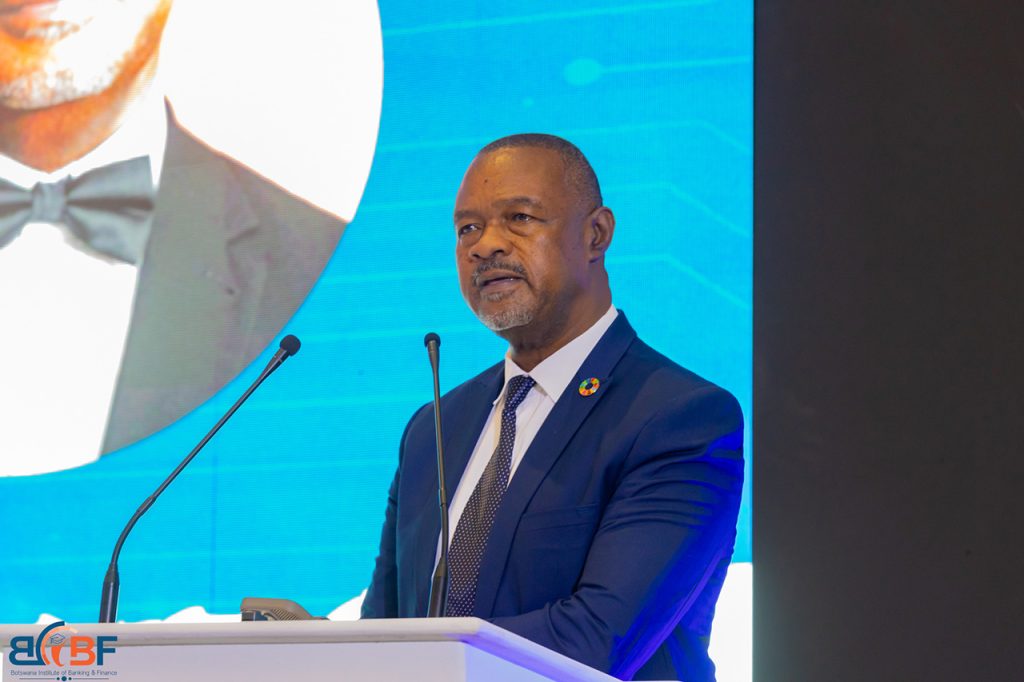
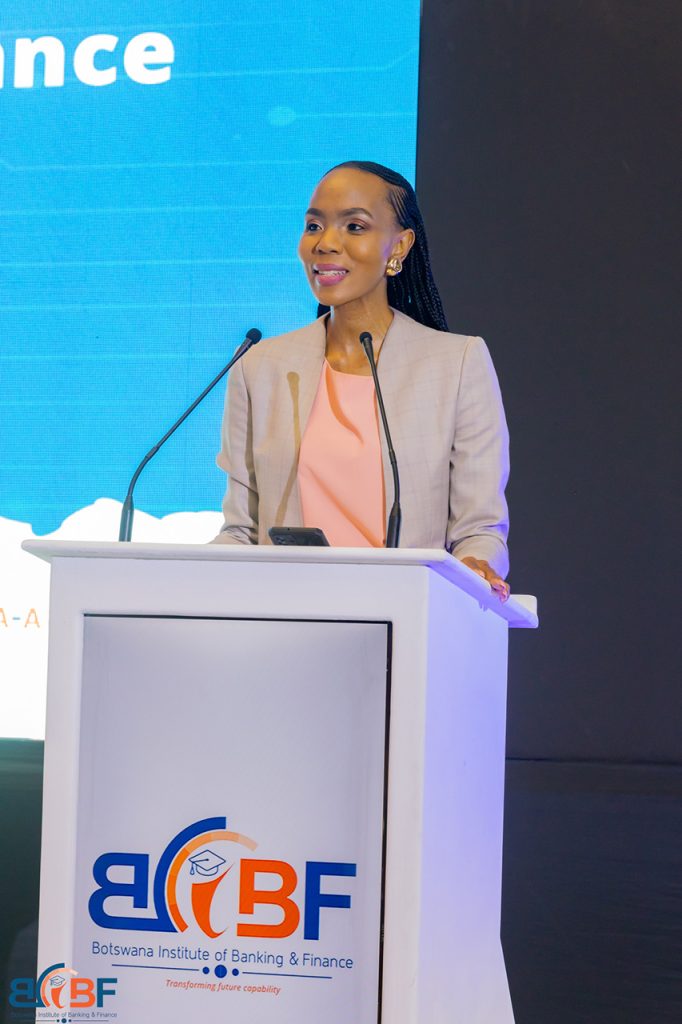
Opening the conference, BIBF Managing Director Mr. Molaodi Menyatso welcomed delegates and highlighted the importance of collective learning and professional development. He noted that the conference marked the Institute’s fourth consecutive annual compliance conference, building on previous engagements focused on anti-money laundering in 2023 and data protection in 2024 and 2025.
Emphasising the human element of effective governance, Mr. Menyatso stated: “Capable institutions depend on capable people.” He explained that policies, controls, and ethical standards can only achieve their intended purpose when people understand and consistently apply them. He further reminded delegates that behind every financial transaction and personal record is an individual whose money, information and trust must be protected.
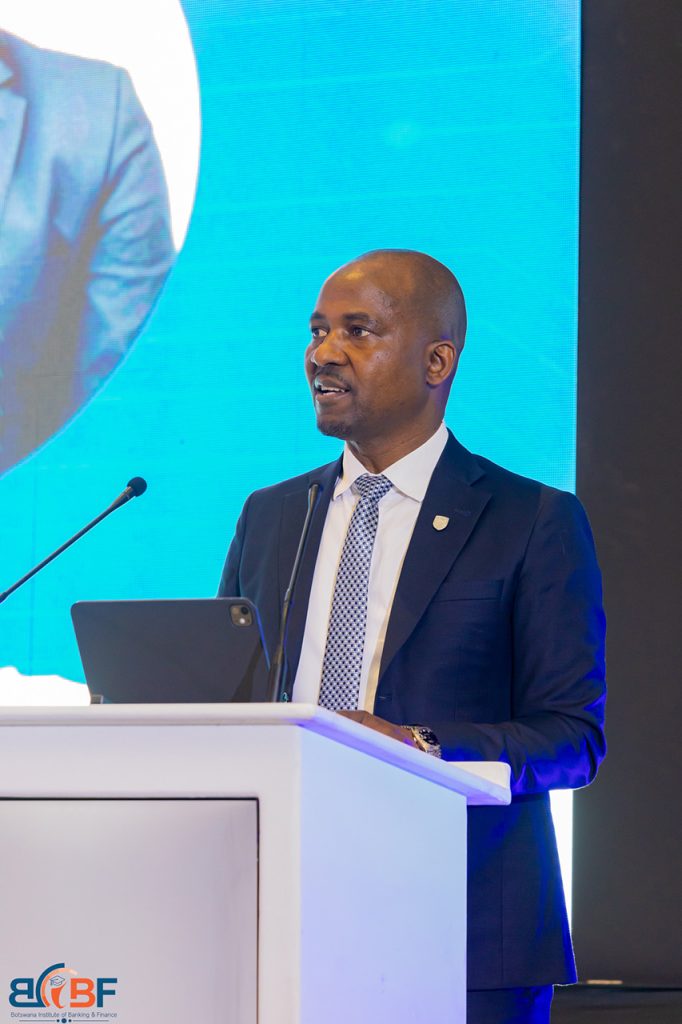
Officially opening the conference, Mr. Chose Modise, Chief Executive Officer of Stanbic Bank Botswana and BIBF Council Chair, underscored the economic value of trust, describing it as something built through consistent decisions and responsible leadership.
“Trust is built one decision at a time,” he said, noting that confidence in financial institutions influences savings, investment decisions, capital flows and economic growth.
Mr. Modise acknowledged that digital banking, financial technology, mobile payments, and artificial intelligence are creating opportunities to expand financial inclusion and improve efficiency. However, these developments also bring heightened risks, including cybercrime, fraud, and data privacy breaches. He stressed that innovation must advance responsibly without compromising security or weakening institutional controls.
He called for compliance to be embraced across all levels of organisations, declaring: “Compliance is a leadership responsibility. Governance is an institutional responsibility. And integrity is everyone’s responsibility.”
Mr. Modise also highlighted the importance of collaboration among financial institutions, regulators, financial intelligence agencies, law enforcement and technology providers. Reflecting on Botswana’s removal from the Financial Action Task Force (FATF) list, he described the achievement as an important national milestone while emphasising the need for sustained implementation of anti-money laundering and counter-terrorist financing measures.
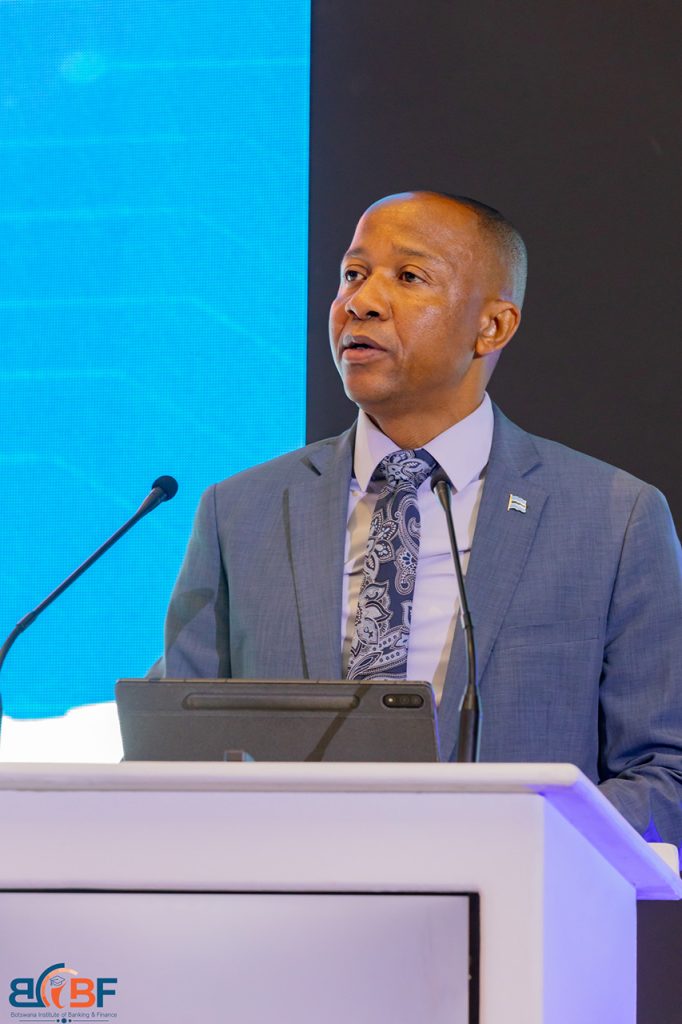
Delivering the keynote address, Mr. Batane Walter Matekane, Acting Secretary for Macroeconomic and Financial Policy at the Ministry of Finance, highlighted the need for coordinated compliance, financial stability and sound governance as Botswana pursues a more diversified, innovation-driven economy.
He noted that emerging technologies offer significant opportunities to lower business costs, improve service delivery and expand access to financial services, but also create vulnerabilities to money laundering, illicit financial flows and cybercrime.
Mr. Matekane stressed that customers should not be left navigating unclear responsibilities between banks, mobile money providers and technology platforms. He called for stronger coordination, secure information sharing and early engagement between innovators and compliance teams to identify and address risks before new products enter the market.
He further emphasised the importance of strong capital positions, adequate liquidity, consumer protection and effective supervision in maintaining financial sector resilience. Looking ahead to Botswana’s 2027 Mutual Evaluation, he urged institutions to demonstrate not only technical compliance but also the effectiveness of their efforts to prevent financial crime.
The speakers collectively challenged delegates to translate conference discussions into measurable improvements in everyday professional practice, strengthen ethical leadership and foster a culture in which employees can raise concerns without fear.
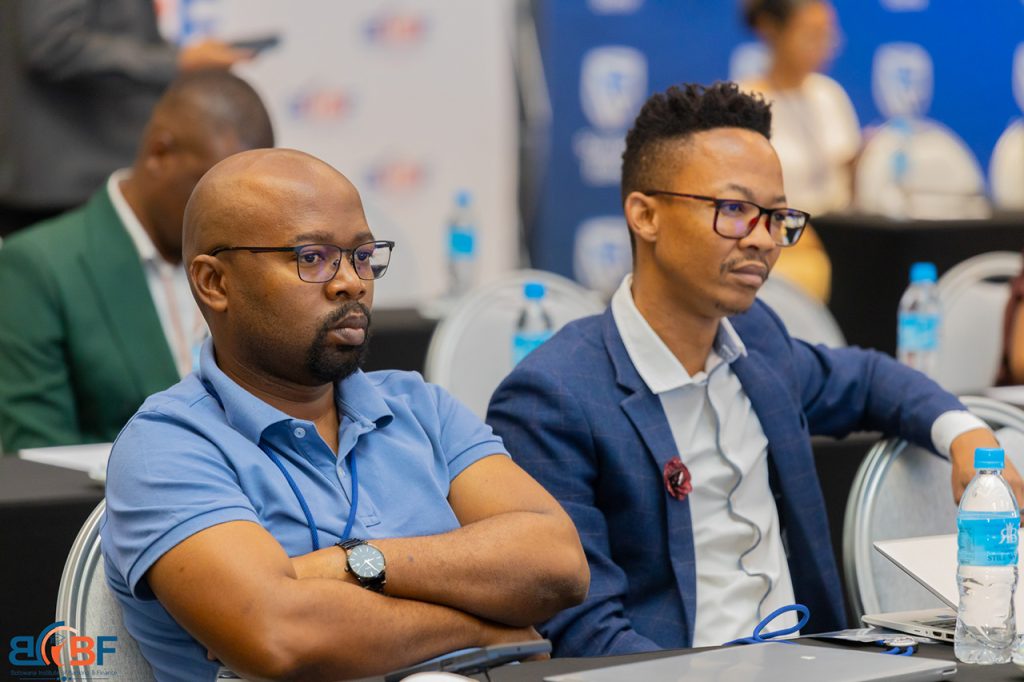
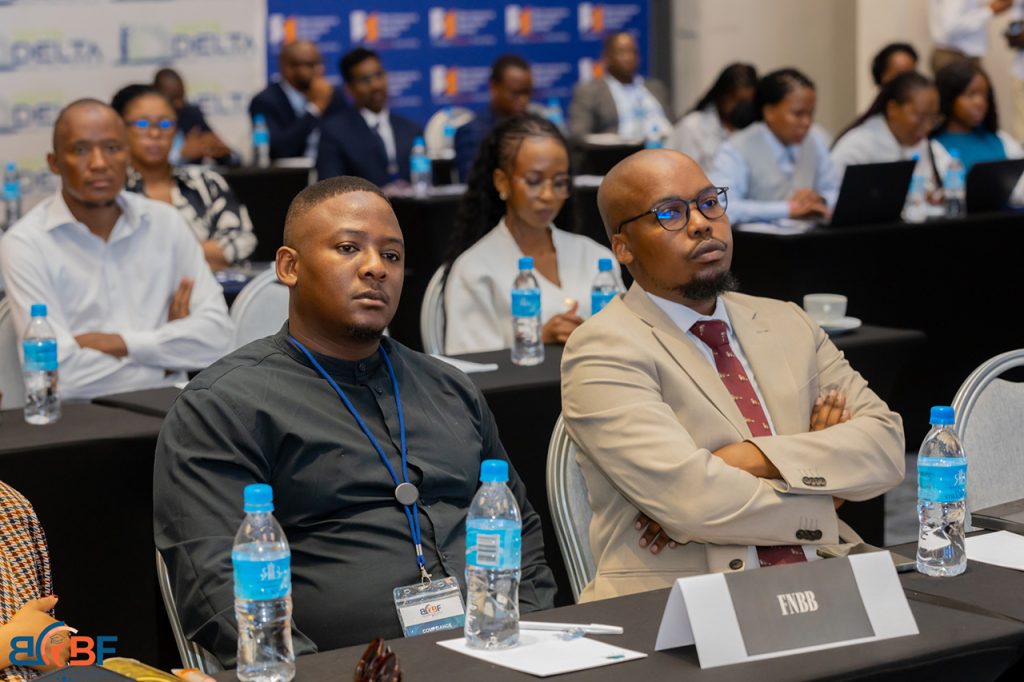
The conference featured a dynamic programme of expert presentations, panel discussions and breakaway sessions designed to encourage knowledge-sharing, practical learning, and collaboration among industry stakeholders. These engagements provided a platform for delegates to explore emerging compliance and governance challenges, discuss evolving financial and digital risks, share industry experiences, and identify practical strategies for strengthening regulatory compliance, cybersecurity, data protection, ethical leadership, and institutional accountability. Through these interactive sessions, participants were encouraged to exchange insights, deepen their understanding of emerging trends, and develop actionable solutions to support a secure, resilient and trusted financial sector in Botswana.
BIBF’s commitment to developing future industry professionals was reflected in this conference through the participation of students from local institutions, connecting academic learning with the practical realities of governance, compliance, and accountability.
As Botswana continues to pursue economic diversification and digital transformation, the conference reinforced a shared message: sustainable growth depends not only on innovation and investment, but also on institutions that demonstrate integrity, protect consumers and consistently earn public confidence.